



Noticias
Una infraestructura fiable de alimentación avícola influye directamente en la eficiencia de utilización del alimento, la uniformidad del lote, la vida útil del equipo, la continuidad operativa y la precisión de la planificación de la producción.
Los procedimientos de mantenimiento adecuados reducen la tensión mecánica al tiempo que favorecen un transporte uniforme del material en los modernos galpones avícolas.
Los métodos de monitoreo basados en ingeniería ayudan a identificar problemas en desarrollo antes de que afecten el rendimiento de la alimentación o la disponibilidad del equipo.
Los programas de inspección estructurados mejoran la visibilidad de la gestión en los parámetros eléctricos, mecánicos, ambientales y operativos.
Get professional poultry farm construction guidance, equipment selection solutions, and the latest price lists, whatsApp to +8618830120193, click to learn more:
Verify Feed Line Installation Accuracy
Correct installation is the foundation of feeder safety.
Improper feed line alignment may create excessive stress on support structures, increase auger friction, and accelerate wear of mechanical components.
Before operating a newly installed feeder system, all structural dimensions should be measured and verified according to engineering specifications.
Data is for reference only.Swipe horizontally to view full table.
Accurate installation reduces vibration during operation and ensures uniform feed movement throughout the feeding line.
Proper spacing between suspension points also minimizes tube deformation when feed loads increase during peak production periods.
Regular verification of these measurements helps maintain the structural stability of the entire Pralson feeding system.
Monitor Drive Motor Operating Conditions
The drive motor serves as the primary power source for feed transportation.
Continuous monitoring of motor performance helps identify abnormal operating conditions before major mechanical failures occur.
Electrical load fluctuations, excessive speed variation, and current instability can indicate developing issues within the feed delivery system.
Data is for reference only.Swipe horizontally to view full table.
Operators should routinely compare actual operating values against equipment specifications.
Unexpected increases in electrical consumption may indicate feed blockage, auger resistance, or gearbox wear.
Maintaining stable motor operating conditions improves equipment longevity and contributes significantly to Pralson feeder safety.
Control Feed Physical Characteristics
Feed quality directly influences feeder performance.
Feed materials with excessive moisture, inconsistent pellet size, or irregular density can interfere with smooth transportation through the feeding system.
Monitoring feed characteristics helps reduce equipment stress while supporting consistent feed delivery.
Data is for reference only.Swipe horizontally to view full table.
Maintaining appropriate feed specifications reduces the risk of bridging, clogging, and uneven feed distribution.
Stable feed flow allows the Pralson feeder system to operate efficiently while minimizing mechanical strain on augers and drive components.
Consistent feed quality also contributes to better flock uniformity and feed conversion performance.
Maintain Environmental Operating Conditions
Environmental factors significantly affect feeder reliability.
Excessive humidity, poor ventilation, and high gas concentrations can accelerate corrosion, increase feed spoilage risks, and reduce equipment service life.
Routine environmental monitoring helps identify conditions that may compromise feeder safety.
Data is for reference only.Swipe horizontally to view full table.
Proper environmental control protects both poultry and equipment.
Maintaining acceptable humidity levels helps prevent feed deterioration inside feed tubes and hoppers.
Effective ventilation also reduces the accumulation of airborne contaminants that may interfere with feeder operation.
A controlled environment supports long-term reliability of Pralson feeding equipment.
Implement Electrical Protection Measures
Electrical safety remains one of the most important aspects of feeder management.
Power fluctuations, insulation deterioration, and grounding failures can result in equipment damage or unexpected production interruptions.
Routine inspection of electrical systems should be incorporated into farm maintenance schedules.
Data is for reference only.Swipe horizontally to view full table.
Electrical protection devices should be tested regularly to ensure proper functionality.
Maintaining these engineering specifications reduces the likelihood of electrical faults and protects critical feeder components from damage.
Reliable electrical infrastructure is essential for maintaining continuous Pralson feeder operation.
Measure Mechanical Wear Components
Mechanical wear develops gradually throughout the operating life of feeder systems.
Routine measurement of wear-related parameters allows operators to identify maintenance requirements before equipment performance declines.
Preventive maintenance is generally more economical than emergency repair activities.
Data is for reference only.Swipe horizontally to view full table.
Periodic measurement of these components helps maintain operational efficiency and reduce downtime.
Early replacement of worn parts prevents secondary damage to adjacent mechanical systems.
A structured wear-monitoring program significantly enhances pralson feeder safety and extends equipment service life.
The same monitoring strategy is commonly applied across automatic poultry feeding system installations where continuous feed delivery
is required throughout multiple production cycles.
Establish A Documented Inspection Program
Systematic inspections provide valuable operational data that support long-term maintenance planning.
Inspection records help identify recurring issues and improve decision-making regarding equipment replacement schedules.
Accurate documentation also supports regulatory compliance and internal quality management programs.
Data is for reference only.Swipe horizontally to view full table.
Inspection activities should be conducted according to predefined procedures and documented consistently.
Historical maintenance records help operators track equipment performance trends and optimize maintenance intervals.
Comprehensive documentation contributes to continuous improvement of pralson feeder safety management.
Evaluate Feed Transport Performance
Feed transport consistency directly affects equipment loading conditions and feeding efficiency.
Monitoring transport parameters allows farm managers to verify whether the feeding line is operating within designed engineering limits.
Stable transport performance reduces unnecessary strain on motors, augers, and drive assemblies.
Data is for reference only.Swipe horizontally to view full table.
Maintaining balanced feed transportation improves operational consistency and minimizes component fatigue.
This approach is widely used in chicken feeding equipment projects where production stability is a primary management objective.
Verify Structural Fastening Conditions
Structural integrity plays an important role in maintaining safe feeder operation.
Loose hardware can create vibration, alignment deviations, and accelerated wear throughout the feeding system.
Routine verification of fastening conditions helps maintain overall equipment stability.
Data is for reference only.Swipe horizontally to view full table.
Regular structural inspections help prevent progressive damage caused by dynamic loading.
Stable support structures contribute to reliable performance and long service life.
Many poultry farm feeding system installations prioritize fastening inspections during routine maintenance cycles.
Understand Typical Operational Risks
Several operational factors can negatively affect feeder safety if corrective measures are delayed.
Feed contamination may increase resistance inside transport tubes and reduce overall feeding efficiency.
Electrical instability can shorten component lifespan and increase maintenance requirements.
Insufficient lubrication may accelerate wear within transmission assemblies.
Improper installation practices can create uneven loading conditions that affect long-term structural performance.
Environmental moisture can promote corrosion and negatively impact electrical reliability.
Recognizing these risks allows operators to establish preventive maintenance strategies before equipment performance declines.
Cost Considerations For Safety Management
Investment in preventive maintenance often produces measurable economic benefits throughout the equipment lifecycle.
Routine inspections generally cost significantly less than emergency repairs or unexpected production interruptions.
Replacement planning based on measured equipment conditions helps optimize maintenance budgets and reduce operational uncertainty.
European union standard reference only.
Data is for reference only.Swipe horizontally to view full table.
Strategic maintenance planning improves asset utilization while supporting stable production output.
Well-managed feeder systems typically achieve lower lifetime operating costs compared with reactive maintenance approaches.
Frequently Asked Questions
Q1: How often should a pralson feeder system be inspected?
Daily visual observation is recommended for feed pans, transport tubes, and drive units.
A more detailed inspection covering electrical, structural, and mechanical components is commonly performed every 7 to 30 days depending on flock size and operating intensity.
Q2: What feed moisture level is suitable for stable feeder operation?
Feed moisture content around 10% to 12% is generally considered appropriate for smooth transportation performance.
Excessive moisture may increase feed adhesion and create blockage risks within feed delivery lines.
Q3: When should mechanical components be replaced?
Replacement timing should be based on measured wear conditions rather than fixed calendar intervals.
For example, chain elongation approaching 1.5% and bearing clearance exceeding 0.08 mm may indicate that maintenance action should be scheduled.
Taiyu (HK) Group - One Of China Largest Pralson System Manufacturer
• Pralson feeding solutions are widely applied in commercial broiler and layer farms ranging from 5,000 to over 100,000 birds, supporting stable feed distribution and efficient daily management.
• Direct factory manufacturing provides integrated poultry equipment production, quality control, engineering verification, and project implementation capabilities for international customers.
• Comprehensive poultry equipment portfolios include feeding systems, drinking systems, environmental control systems, manure removal equipment, and housing infrastructure solutions.
• Turn-key engineering services cover project design, equipment supply, installation guidance, commissioning support, and operational training for different poultry production models.
• Global export experience supports customized technical specifications, containerized logistics planning, spare parts management, and long-term project cooperation requirements.
Contact Us To Received Your Customized Poultry Farm Plan
Headquarters And Branchs
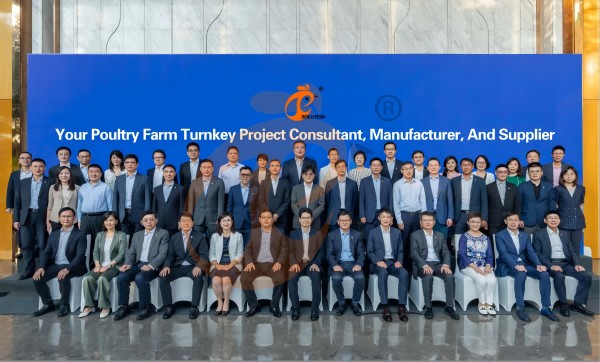
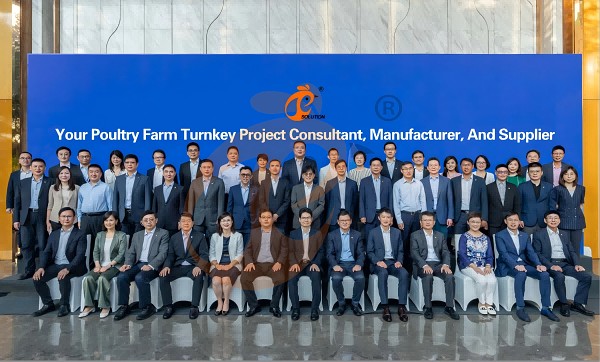
Hong Kong Headquarter Management Team
Hong Kong Headquarter Taiyu Industrial Group CO., LTD
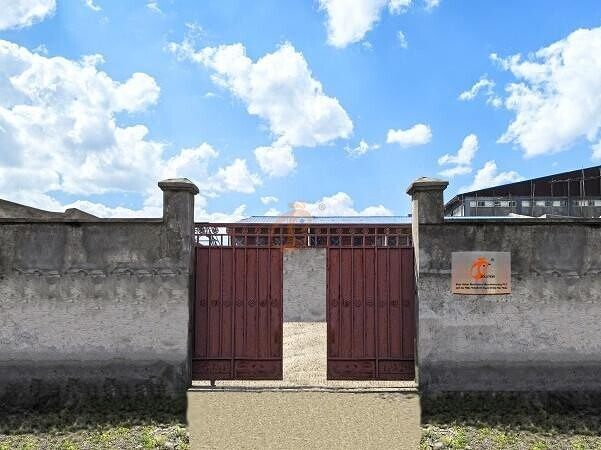
China Hebei Best Machinery And Equipment CO., LTD
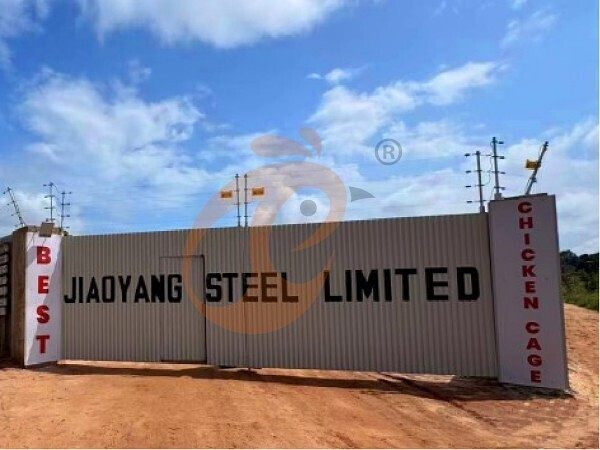
Nigeria Vanke Machinery And Equipment CO., LTD
Tanzania Best Machinery And Equipment CO., LTD
Ethiopia Best Hebei Machinery Manufacturing PLC
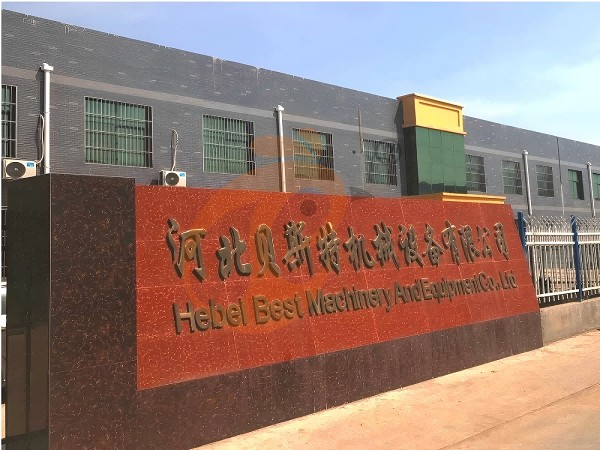
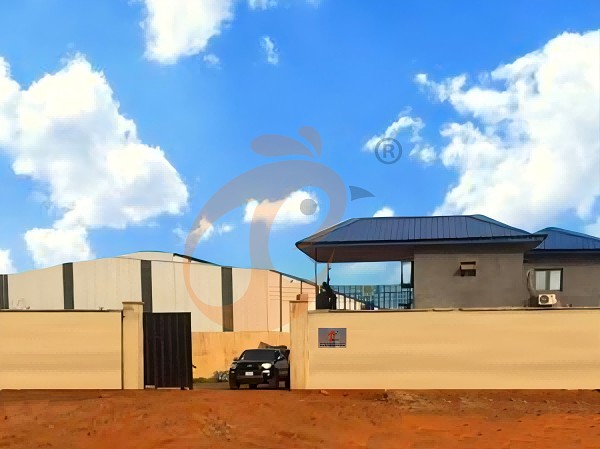
Reception /24 WhatsApp NO. : +8618830120193
Preguntas frecuentes
Recomendaciones de Productos
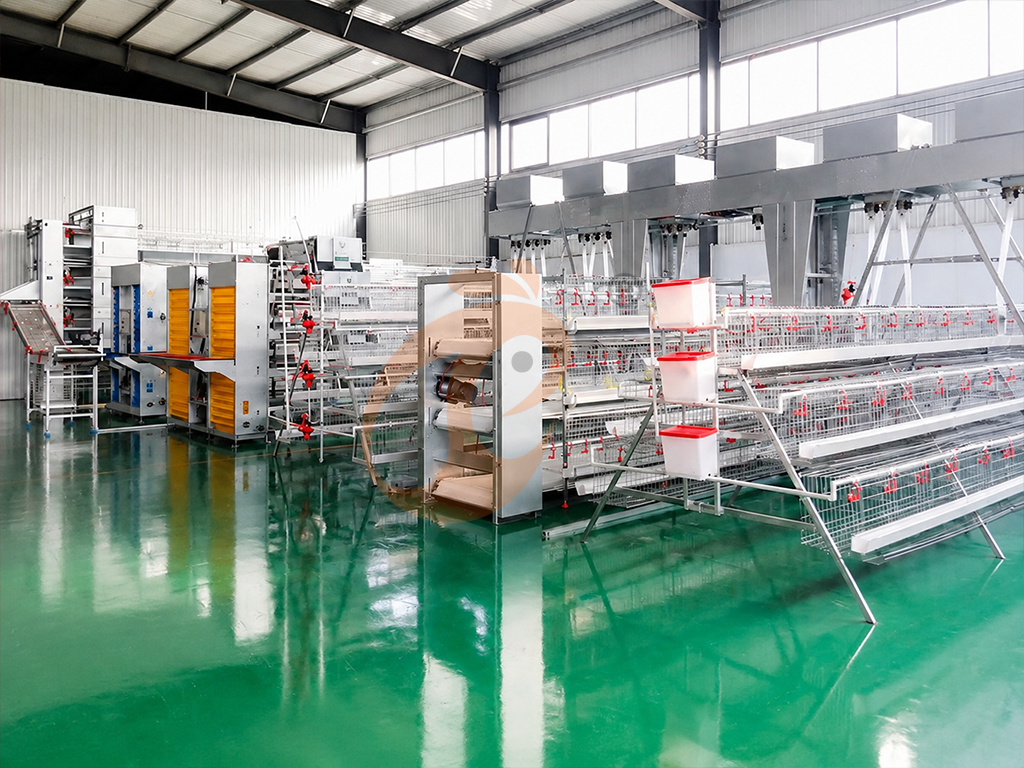
 Jaula en batería tipo A con cinta o raspador de estiércol: 5 consejos prácticos para elegir1. Las jaulas en batería tipo A permiten organizar sistemas comerciales de alojamiento para gallinas ponedoras
2. Las cintas de estiércol transportan los residuos eficientemente hasta los puntos de recogida designados
3. Los raspadores retiran el estiércol acumulado a través de canales de recogida compatibles
4. Las inspecciones periódicas ayudan a mantener el rendimiento del equipo y la fiabilidad operativa
5. Recepción /WhatsApp N.º: +8618830120193Leer más ¿Cómo personalizar las jaulas de batería para pollos tipo H para su granja avícola?1. Las jaulas tipo H integran la alimentación, el suministro de agua y la retirada del estiércol
2. Las dimensiones de las jaulas determinan la distribución de los compartimentos y la capacidad para aves
3. Los requisitos de ventilación dependen de la densidad de alojamiento y del clima
4. La recogida automatizada de huevos conecta las cintas con los equipos de transporte
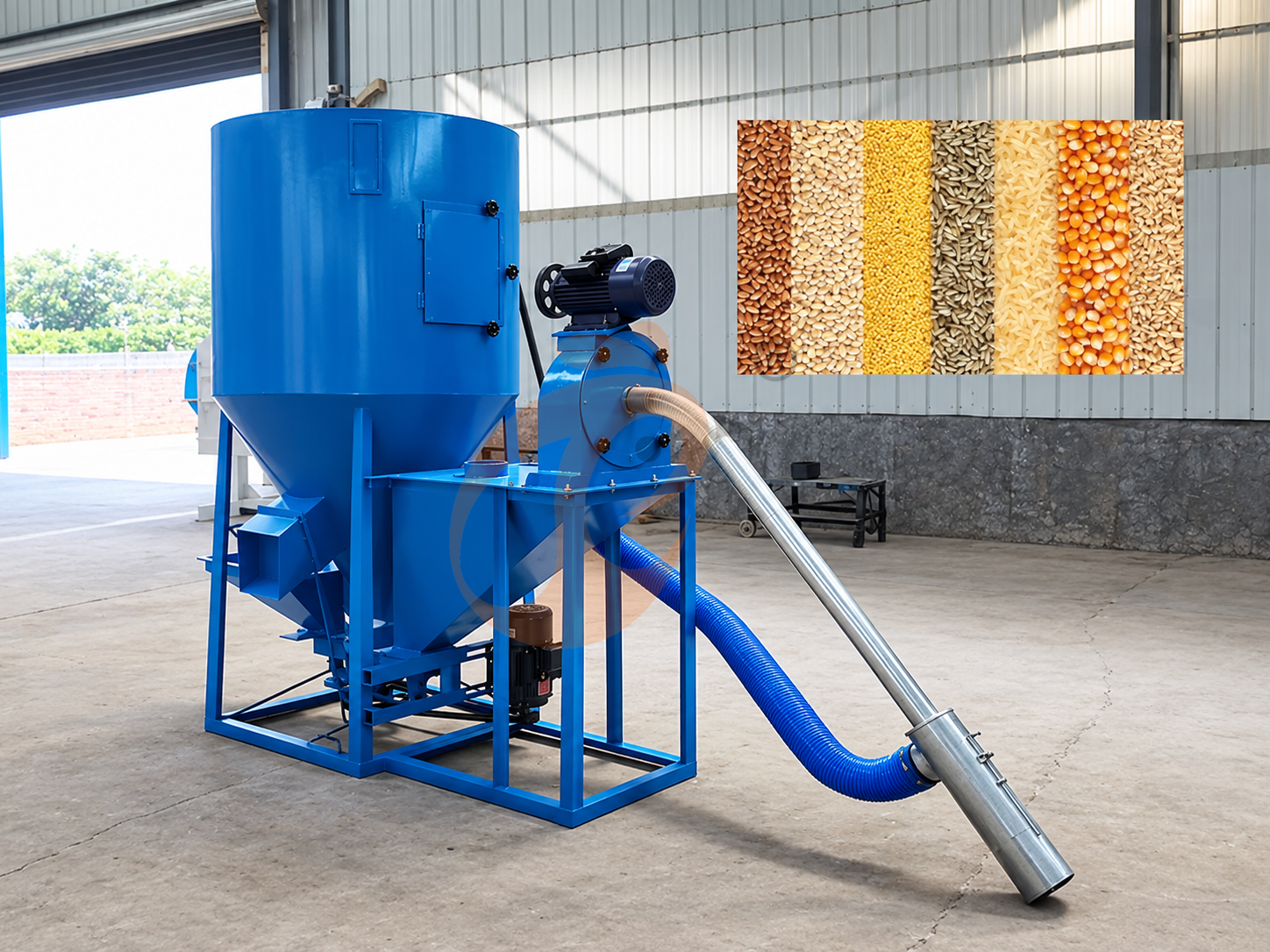
5. Recepción /WhatsApp NO. : +8618830120193Leer más Molino de alimento frente a peletizadora: ¿cuál mejora la calidad del alimento?1. La molienda establece la distribución del tamaño de las partículas de los ingredientes antes de la mezcla
2. La mezcla distribuye los nutrientes formulados en cada lote
3. El acondicionamiento prepara las materias primas del alimento para formar pellets
4. El enfriamiento estabiliza los pellets antes del almacenamiento y el envasado
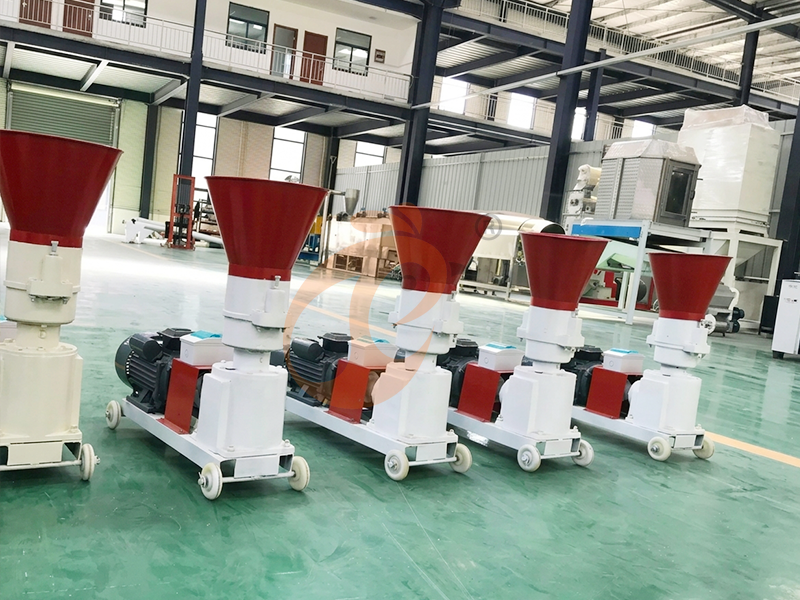
5. Recepción /WhatsApp NO. : +8618830120193Leer más Cómo elegir el tipo de matriz para una peletizadora | 6 consejos prácticos1. El diámetro de los orificios de la matriz determina el tamaño nominal de los pellets e influye en el flujo del material
2. La relación de compresión depende de la longitud efectiva y el diámetro de los orificios
3. La alineación de los rodillos y el acondicionamiento del alimento influyen en la estabilidad de la producción
4. Las inspecciones periódicas ayudan a detectar obstrucciones, desgaste y una disminución del rendimiento
5. Recepción /WhatsApp NO. : +8618830120193Leer más Cómo elegir equipos avícolas asequibles | 6 consejos prácticos1. Las dimensiones de la granja determinan la distribución y la capacidad adecuadas de los equipos
2. El tamaño del lote determina los requisitos de los sistemas de alimentación y suministro de agua
3. Los cálculos de ventilación tienen en cuenta el flujo de aire y las condiciones de temperatura
4. El mantenimiento periódico ayuda a conservar el rendimiento y la fiabilidad de los equipos
5. Recepción /WhatsApp NO. : +8618830120193Leer más Cría de gallinas ponedoras en suelo | 5 consejos esenciales para la producción de huevos1. Los sistemas de cría en suelo combinan el movimiento de las aves con diseños de alojamiento organizados
2. Los equipos de alimentación automática distribuyen el pienso por líneas designadas
3. Los sistemas de bebederos proporcionan acceso controlado a agua limpia
4. Los transportadores de huevos trasladan los huevos recogidos a las estaciones de inspección
5. Recepción /WhatsApp NO. : +8618830120193Leer más Costo de la producción de gallinas ponedoras en libertad | 5 factores clave del presupuesto1. Los sistemas de gallinas ponedoras camperas requieren equipos coordinados de alimentación y suministro de agua
2. La capacidad de ventilación depende del clima y de las dimensiones del edificio
3. Las cintas transportadoras de huevos deben ajustarse al volumen de producción previsto
4. El fabricante debe verificar las especificaciones de los equipos antes de la instalación
5. Recepción /WhatsApp NO. : +8618830120193Leer más Coste de la cría de gallinas ponedoras en cama profunda | 5 factores presupuestarios1. Las dimensiones del galpón influyen en la ubicación de los comederos y el diseño de la ventilación
2. La distribución del alimento depende de la capacidad de la línea y del acceso de las aves
3. La presión del agua potable requiere revisiones operativas periódicas
4. El rendimiento de la ventilación depende del flujo de aire y la presión estática
5. Recepción /WhatsApp N.º: +8618830120193Leer más Transportadores helicoidales metálicos frente a los de plástico en molinos de pienso | ¿Cuál es más duradero?1. El rendimiento del sinfín metálico depende de la aleación seleccionada y de la carga de funcionamiento
2. La idoneidad del sinfín de plástico depende del tipo de polímero y de los límites de temperatura
3. La capacidad del transportador varía según las propiedades del alimento y la disposición de la instalación
4. Los sistemas de alimentación automática requieren accionamientos y componentes compatibles
5. Consultas/WhatsApp n.º: +8618830120193Leer más 5 consejos esenciales para la seguridad de los operadores de máquinas peletizadoras1. Inspeccione las protecciones y las conexiones eléctricas antes de operar la maquinaria de peletizado
2. Siga los procedimientos aprobados de aislamiento antes de realizar tareas de limpieza o mantenimiento
3. Adapte la formulación del alimento a las especificaciones de la peletizadora seleccionada
4. Supervise el estado del equipo y registre cualquier anomalía detectada durante el funcionamiento
5. Recepción /WhatsApp NO. : +8618830120193Leer más Proveedor de jaulas para pollos de engorde | 6 criterios prácticos de evaluación1. Las dimensiones de las jaulas determinan la disposición del equipo y la capacidad útil de alojamiento
2. Los materiales de los bastidores y los tratamientos superficiales influyen en la resistencia a la corrosión y los requisitos de mantenimiento
3. Los sistemas de alimentación distribuyen el pienso por las secciones designadas de las jaulas
4. Las líneas de bebederos requieren una regulación de presión adecuada y revisiones periódicas
5. Recepción /WhatsApp NO. : +8618830120193Leer más Proveedor de jaulas en batería para gallinas ponedoras | 6 criterios prácticos de evaluación1. Los diseños de jaulas en batería facilitan la planificación coordinada de equipos avícolas en edificios de granjas comerciales
2. Las dimensiones de las jaulas y las configuraciones de niveles deben verificarse con los planos de ingeniería aprobados
3. Los sistemas de alimentación y bebida requieren conexiones compatibles y especificaciones de funcionamiento adecuadas
4. La selección de los transportadores depende de las cargas del equipo y de la geometría de instalación
5. Recepción /WhatsApp NO. : +8618830120193Leer más Cómo gestionar gallinas ponedoras en sistemas de cría al aire libre | 6 consejos prácticos1. Los sistemas de alimentación automatizados permiten controlar la distribución del alimento y supervisar el inventario
2. Los sistemas de bebederos requieren desinfección periódica y revisiones hidráulicas
3. Los equipos de ventilación requieren sensores calibrados y mantenimiento preventivo
4. La recogida de huevos requiere una manipulación cuidadosa y trazabilidad
5. Recepción /WhatsApp n.º: +8618830120193Leer más Cómo gestionar gallinas ponedoras en un sistema de cama profunda | 6 consejos prácticos1. Compruebe el estado de la cama durante las inspecciones diarias del galpón avícola
2. Supervise el consumo de agua e investigue los cambios inesperados
3. Realice el mantenimiento de los equipos de ventilación según los intervalos indicados por el fabricante
4. Coordine la capacidad de recogida de huevos con la producción diaria
5. Recepción /WhatsApp NO. : +8618830120193Leer más Sistema de jaulas avícolas tipo A manual frente a automático: ¿cuál reduce más los costos de mano de obra?1. Los sistemas de jaulas avícolas tipo A combinan estructuras de acero galvanizado con equipos coordinados de alimentación y suministro de agua
2. Las cintas automáticas de recogida de huevos reducen la manipulación manual en varias filas de jaulas
3. Las cintas de retirada de estiércol permiten transportar los residuos según un horario y mantener más limpias las áreas de producción
4. Los sistemas de ventilación regulan el flujo de aire según las condiciones del galpón y las necesidades de las aves
5. Recepción /WhatsApp NO. : +8618830120193Leer más 5 factores críticos al comprar jaulas avícolas tipo H para exportación1. Las dimensiones de las jaulas para gallinas tipo H deben coincidir con los planos de instalación aprobados
2. El equipo de alimentación automática requiere accionamientos y conexiones eléctricas compatibles
3. La alineación del transportador de estiércol depende de la disposición de las jaulas y de la posición de descarga
4. La capacidad de recogida de huevos debe confirmarse en función del rendimiento de producción previsto
5. Recepción / WhatsApp n.º: +8618830120193Leer más Cómo gestionar gallinas ponedoras en un sistema de cría en suelo | 6 pasos prácticos1. Los sistemas de cría en suelo facilitan la gestión organizada de las parvadas en interiores
2. Una ventilación adecuada ayuda a mantener estables la temperatura y la humedad
3. Los comederos automáticos distribuyen el alimento de manera uniforme entre los grupos de aves
4. Las inspecciones diarias permiten detectar problemas en los equipos antes de que disminuya su rendimiento
5. Recepción /WhatsApp NO. : +8618830120193Leer más ¿Un sistema de jaulas para gallinas tipo A para granjas avícolas pequeñas o grandes? 4 opciones inteligentes1. Un tipo de jaulas para pollos que facilita una gestión eficiente de las ponedoras
2. Una ventilación adecuada ayuda a mantener condiciones saludables en el gallinero
3. Los sistemas de alimentación automatizados mejoran la distribución y la uniformidad del alimento
4. La retirada periódica del estiércol ayuda a controlar el amoníaco dentro de los gallineros
5. Recepción /Número de WhatsApp: +8618830120193Leer más ¿Cómo elegir un proveedor fiable de jaulas avícolas tipo H para granjas avícolas?1. La capacidad de las jaulas para gallinas tipo H depende de las dimensiones aprobadas del edificio y de la densidad de alojamiento
2. Los equipos automáticos de alimentación y bebida requieren una disposición compatible y cálculos de capacidad
3. Los sistemas de retirada de estiércol y recogida de huevos requieren una planificación coordinada de la instalación
4. El diseño de la ventilación debe tener en cuenta el tamaño del lote, el clima y la carga térmica
5. Recepción / N.º de WhatsApp: +8618830120193Leer más Mezcladoras de alimento de alta velocidad vs. baja velocidad | ¿Cuál mezcla mejor?1. Los mezcladores de paletas de alta velocidad mejoran la circulación de los ingredientes mediante un movimiento mecánico intensivo
2. Las mezcladoras de cinta de baja velocidad permiten cámaras de mayor tamaño y un menor consumo de energía
3. La uniformidad de la mezcla depende de la formulación, el tamaño del lote y las condiciones de funcionamiento
4. El mantenimiento preventivo contribuye a la fiabilidad del equipo y a una calidad de producción constante
5. Recepción /WhatsApp N.º: +8618830120193Leer más Solución de problemas de la peletizadora | 6 soluciones rápidas1. El diámetro de los pellets varía según la edad de las aves y los requisitos de formulación
2. El desgaste de la matriz puede reducir la producción y la uniformidad de los pellets
3. Una alimentación estable ayuda a mantener tasas de producción uniformes durante el funcionamiento
4. El enfriamiento controla la humedad y mejora la estabilidad de almacenamiento de los pellets terminados
5. Recepción /WhatsApp NO. : +8618830120193Leer más Sistema de cría en suelo para ponedoras | Costes, producción de huevos y consejos de gestión1. Los sistemas de cría en suelo requieren un seguimiento diario y constante de las aves
2. Los registros de alimento y agua permiten detectar cambios en el consumo
3. La gestión de los nidales ayuda a reducir los huevos puestos en el suelo durante la producción
4. Los ajustes de ventilación deben adecuarse a la edad de las aves y al clima
5. Recepción /WhatsApp NO. : +8618830120193Leer más Introducción al sistema de cría en libertad para gallinas ponedoras: producción de huevos y análisis de costos1. La cría de gallinas ponedoras en libertad garantiza una producción natural de huevos
2. Los refugios de acero galvanizado protegen a las aves de las condiciones climáticas adversas
3. El acceso a los pastos permite que las gallinas busquen alimento de forma natural a diario
4. Los comederos automatizados suministran diariamente raciones equilibradas y precisas
5. Recepción /WhatsApp NO. : +8618830120193Leer más Cómo reducir los costos operativos con sistemas de jaulas para pollos de engorde | 6 consejos1. Las estructuras de jaulas de varios niveles organizan el alojamiento de pollos de engorde y la disposición de los equipos
2. Los comederos automáticos transportan el alimento desde el almacenamiento a granel hasta las líneas de alimentación
3. Los sistemas de bebederos de tetina distribuyen el agua a través de tuberías reguladas
4. Las cintas de estiércol trasladan los residuos recogidos hacia los puntos de descarga designados
5. Recepción /WhatsApp N.º: +8618830120193Leer más Sistema de cama profunda para ponedoras | Producción de huevos y análisis de costos1. El lecho del suelo favorece el comportamiento natural de escarbar y tomar baños de polvo
2. El diseño de ventilación ayuda a controlar el calor, la humedad y los contaminantes en suspensión
3. Los equipos de alimentación distribuyen dietas formuladas por las áreas de alimentación designadas
4. Los bebederos de tetina proporcionan acceso controlado a agua potable fresca
5. Recepción /WhatsApp NO. : +8618830120193Leer más Cómo reducir los costos operativos con sistemas de jaulas en batería para gallinas ponedoras | 6 consejos1. Montaje estructural: Las estructuras de jaula de acero galvanizado soportan la instalación integrada de alojamientos y equipos avícolas
2. Distribución del alimento: Los transportadores automáticos llevan el alimento desde los silos de almacenamiento hasta los comederos de las filas de jaulas
3. Suministro de agua: Los bebederos de tetina, los reguladores de presión y los filtros permiten una distribución controlada del agua
4. Transporte de huevos: Los transportadores longitudinales y transversales trasladan los huevos a las instalaciones centralizadas de recogida
5. Recepción /Número de WhatsApp: +8618830120193Leer más Molinos de alimento continuos frente a por lotes | ¿Cuál se adapta a las granjas de pollos?1. La producción de pienso normalmente sigue las etapas de recepción, molienda, dosificación, mezclado, peletizado, enfriamiento, cribado y almacenamiento
2. Las características de los ingredientes influyen en los ajustes de molienda, los requisitos de mezclado, los parámetros de acondicionamiento y la formación de pellets
3. Los sistemas continuos priorizan un flujo estable de materiales mediante equipos de procesamiento coordinados
4. Los sistemas por lotes organizan la producción en torno a ciclos definidos de pesaje, mezclado y cambio de fórmula
5. Recepción /WhatsApp NO. : +8618830120193Leer más Cómo aumentar la producción de la peletizadora | 5 métodos probados1. El diámetro de los pellets afecta los requisitos de compresión y la manipulación del pienso terminado.
2. El acondicionamiento favorece la distribución de la humedad antes de la compresión y mejora la uniformidad del proceso.
3. El enfriamiento estabiliza los pellets terminados antes del cribado y el envasado.
4. El cribado separa los finos y protege la uniformidad de la línea de envasado.
5. Recepción /WhatsApp N.º: +8618830120193Leer más Cómo planificar el presupuesto de equipos para una granja avícola | 6 factores clave1. La capacidad de la granja determina las cantidades y la configuración de los equipos
2. Las especificaciones técnicas permiten comparar con precisión las cotizaciones de los proveedores
3. Los costos de instalación deben incluirse antes de aprobar el proyecto
4. La planificación del mantenimiento ayuda a controlar los gastos operativos a largo plazo
5. Recepción / WhatsApp n.º: +8618830120193Leer más Sistema de cama profunda para pollos de engorde | 7 comprobaciones diarias1. La gestión de la cama profunda depende de una ventilación y unos equipos de bebida coordinados
2. Las inspecciones diarias relacionan las condiciones medibles del alojamiento con el funcionamiento de los equipos
3. La alimentación, el agua, el flujo de aire y la automatización deben seguir procedimientos sincronizados
4. Las especificaciones de los equipos deben corresponderse con las dimensiones del edificio y la capacidad del lote
5. Recepción / WhatsApp N.º: +8618830120193Leer más 5 métodos prácticos para reducir el ruido de los comederos Pralson1. Los comederos Pralson conectan el suministro de alimento con los requisitos de alineación mecánica
2. Los gallineros requieren una disposición coordinada de la suspensión y el accionamiento
3. La inspección del ruido debe seguir puntos de control mecánicos medibles
4. El rendimiento de la alimentación depende de una configuración compatible de los componentes
5. Recepción /WhatsApp NO. : +8618830120193Leer más Jaula en batería tipo A para ponedoras vs. pollos de engorde: ¿qué sistema es más adecuado?1. Una jaula en batería tipo A requiere una planificación coordinada de la estructura y los servicios
2. La distribución de las naves para ponedoras determina la ubicación de los equipos y el acceso para el mantenimiento
3. La alimentación automática reduce las tareas repetitivas de distribución manual del pienso
4. La gestión del estiércol requiere interfaces adecuadas para transportadores o raspadores
5. Recepción /WhatsApp NO. : +8618830120193Leer más Jaulas en batería para pollos tipo H importadas frente a locales: ¿cuáles ofrecen mejor calidad?1. La distribución de las jaulas en batería tipo H para gallinas requiere coordinar las dimensiones de la nave
2. Las estructuras de varios niveles permiten organizar la producción comercial de gallinas ponedoras
3. Los sistemas automáticos integran la alimentación, el suministro de agua, la retirada del estiércol y la manipulación de los huevos
4. Los planos de ingeniería definen las interfaces antes de iniciar la fabricación del equipo
5. Recepción /WhatsApp N.º: +8618830120193Leer más Bebedero de niple con copa vs. sin copa | ¿Cuál reduce los derrames?1. Los sistemas de bebederos de niple mantienen un acceso constante al agua durante las distintas etapas de producción avícola
2. El diseño de las copas ayuda a controlar eficazmente la humedad alrededor de los puntos de bebida
3. La distribución de la granja influye en la selección de los equipos y los métodos de instalación
4. Las distintas categorías de aves requieren configuraciones adecuadas del sistema de bebida
5. Recepción /WhatsApp NO. : +8618830120193Leer más Jaula para pollos de engorde en venta | 5 factores clave que deben comprobar los compradores1. Las dimensiones del edificio deben medirse con precisión antes de configurar los equipos de las jaulas
2. Los circuitos de alimentación deben ajustarse a la longitud de las filas y a los pasillos de servicio
3. Los sistemas de agua necesitan filtración y control de presión antes de la puesta en marcha
4. Los transportadores de estiércol deben contar con puntos de inspección accesibles para el mantenimiento rutinario
5. Recepción /WhatsApp NO. : +8618830120193Leer más Sistemas estándar y personalizados de jaulas para pollos de engorde | ¿Cuál se adapta mejor a su granja?1. Los sistemas de jaulas estándar utilizan dimensiones de componentes establecidas para naves avícolas convencionales.
2. Los sistemas de jaulas personalizados adaptan la disposición de los equipos a la geometría real del edificio y a los requisitos operativos.
3. Durante la ingeniería, los equipos de alimentación y bebida deben coordinarse con la ubicación de las jaulas.
4. Los equipos de retirada de estiércol deben planificarse antes de la instalación definitiva de los equipos.
5. Recepción /WhatsApp NO. : +8618830120193Leer más Sistema de cría al aire libre para pollos de engorde | 7 comprobaciones diarias de gestión1. Las instalaciones de cría al aire libre requieren sistemas coordinados de distribución de alimento y agua con una disposición definida de los equipos
2. Los ajustes de ventilación deben tener en cuenta la temperatura exterior y las dimensiones de la nave mediante ajustes controlados por el sistema de control
3. Las puertas automáticas requieren una programación fiable y procedimientos de inspección mecánica para garantizar un acceso diario constante
4. Los registros diarios facilitan el mantenimiento preventivo y la resolución de problemas de los equipos en los sistemas interconectados de la granja
5. Recepción /WhatsApp NO. : +8618830120193Leer más Ahorro de energía en peletizadoras | 6 técnicas eficaces1. La eficiencia de peletización depende de la preparación y el acondicionamiento coordinados del material
2. Una alimentación estable reduce las fluctuaciones innecesarias de carga durante la producción
3. El mantenimiento de la matriz y los rodillos favorece una compresión mecánica uniforme
4. El enfriamiento y el cribado protegen la calidad del pellet terminado después de la compresión
5. Recepción / WhatsApp: +8618830120193Leer más Inversión en equipos avícolas llave en mano | 5 consejos prácticos para la toma de decisiones1. Los diseños comerciales avícolas requieren un posicionamiento coordinado de los equipos
2. Los cálculos de ventilación deben realizarse antes de definir las cantidades finales de equipos
3. Los sistemas de alimentación requieren interfaces eléctricas y mecánicas compatibles
4. Las condiciones climáticas influyen en la configuración de refrigeración y flujo de aire
5. Recepción / WhatsApp N.º: +8618830120193Leer más Rentabilidad de la cría de pollos de engorde en suelo | Explicación de 6 factores clave1. Los sistemas de cría en suelo requieren equipos coordinados de flujo de aire y alimentación
2. Los galpones de pollos de engorde necesitan acceso constante al agua durante todos los ciclos
3. Los sensores ambientales proporcionan condiciones operativas medibles para los controladores
4. Los programas de mantenimiento ayudan a prevenir interrupciones de producción relacionadas con los equipos
5. Recepción / WhatsApp N.º: +8618830120193Leer más



Buscar
Producto destacado
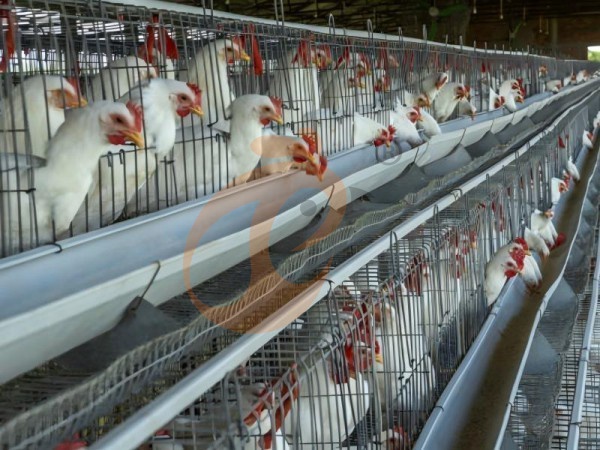
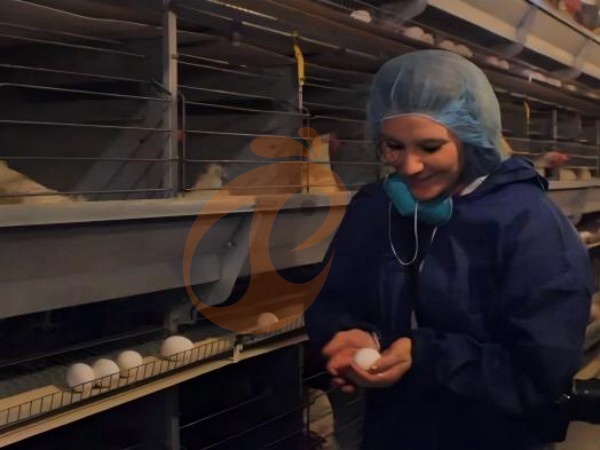
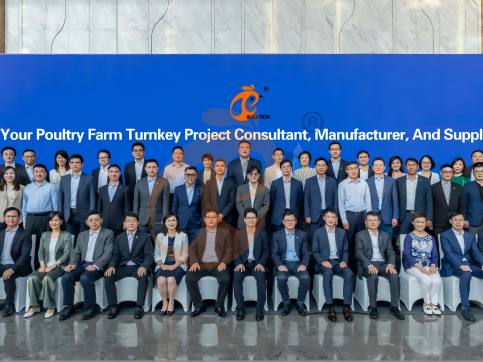
 La sede central en Hong Kong ofrece soluciones para granjas avícolas según los estándares de la UE y fabrica equipos para granjas avícolas1. Comunicación continua con la UE y EE. UU.
2. Empresas y fábricas filiales en China, Nigeria, Etiopía y Tanzania
3. La calidad de los productos está personalizada para granjas avícolas locales
4. Jaulas avícolas y equipos para granjas avícolas en stock para la venta
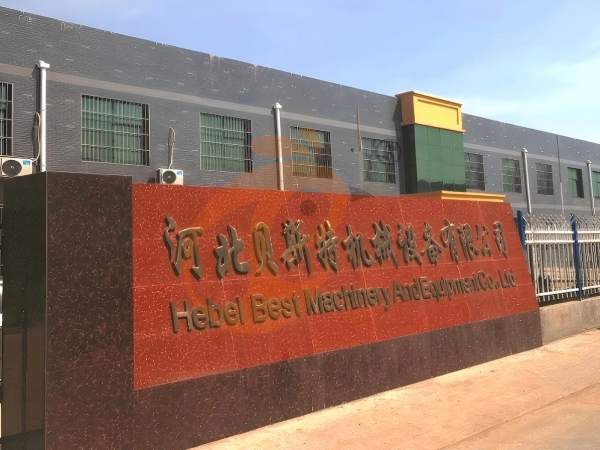
5. Recepción en línea 24 horas Whatsapp NO. : +8618830120193,Contáctenos para obtener información completaLeer más La sucursal de China ofrece un plan de negocio para granjas avícolas y fabrica equipos para granjas avícolas1. Dirección: Piso/Habitación 2416, 24º piso, Edificio Runxing, Calle Youyi Nan, Ciudad de Shijiazhuang, Provincia de Hebei, China
2. Fábrica de equipos para granjas avícolas y jaulas para aves de corral con stock disponible para venta
3. Personalizado para granjas avícolas locales
4. La calidad y el diseño están basados en estándares europeos
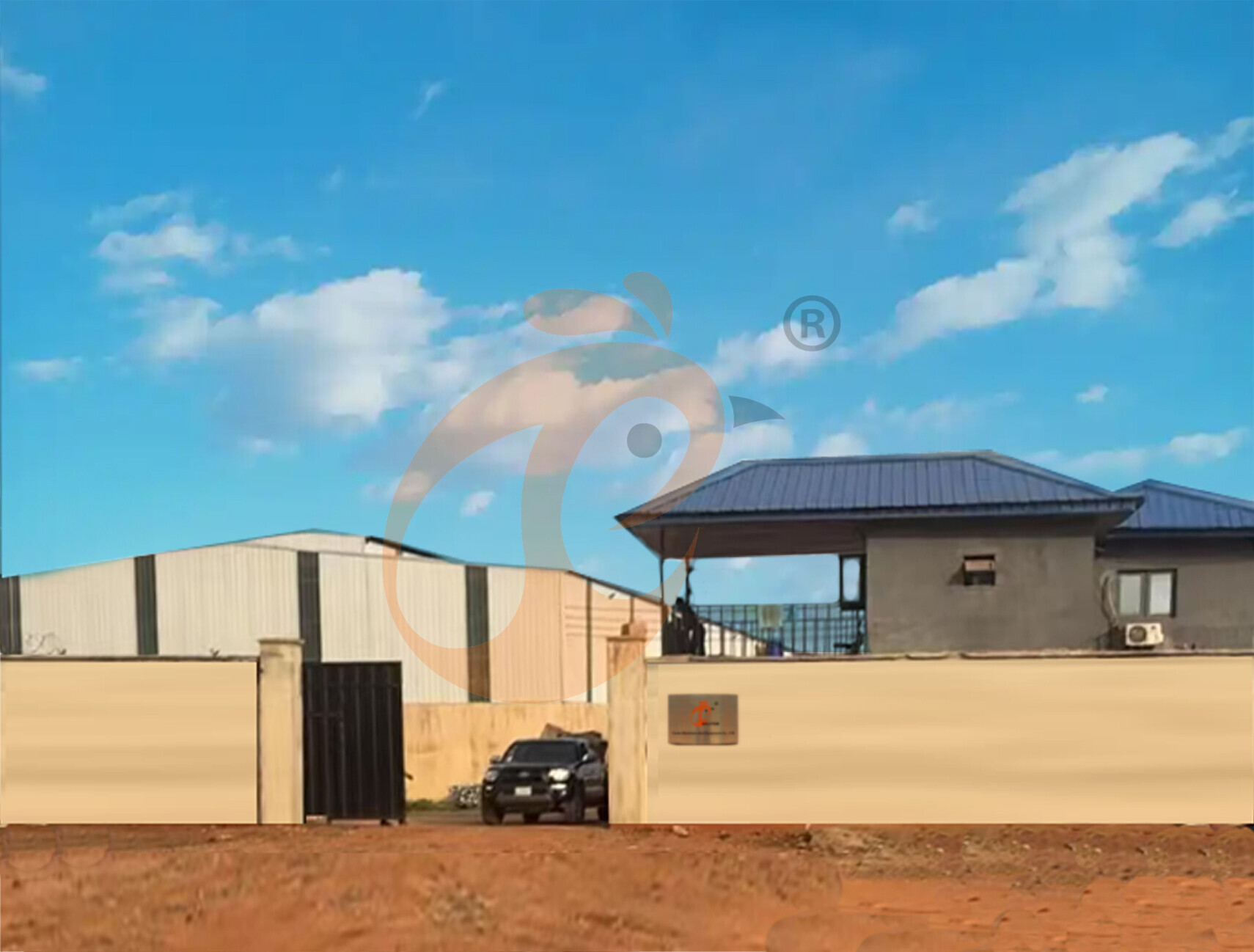
5. Recepción en línea 24 horas por WhatsApp NO.: +8618830120193Leer más Sucursal de Nigeria ofrece plan de negocio para granjas avícolas, fabrica equipos para granjas avícolas1. Dirección: Después de la oficina de Sinoma, a 200 metros cerca de la estación de servicio Danco, autopista Lagos/Ibadan, estado de Lagos, Nigeria
2. Fábrica de equipos y jaulas para avicultura y existencias para la venta
3. Personalizado para granjas avícolas nigerianas
4. La calidad y el diseño están basados en estándares europeos
5. Recepción en línea 24 horas Número de Whatsapp: +8618830120193Leer más
Contáctenos
Teléfono (número de WhatsApp):
Correo electrónico:
Oficina 1 (Hong Kong):
Piso/Habitación A, 15/F, Edificio ManlyCommercial, 15 Soy Street, Mong Kok
Oficina 2 (China continental):
Piso/Habitación 2416, 24/F, Edificio Runxing, Calle Youyi Nan, Ciudad de Shijiazhuang, Provincia de Hebei